

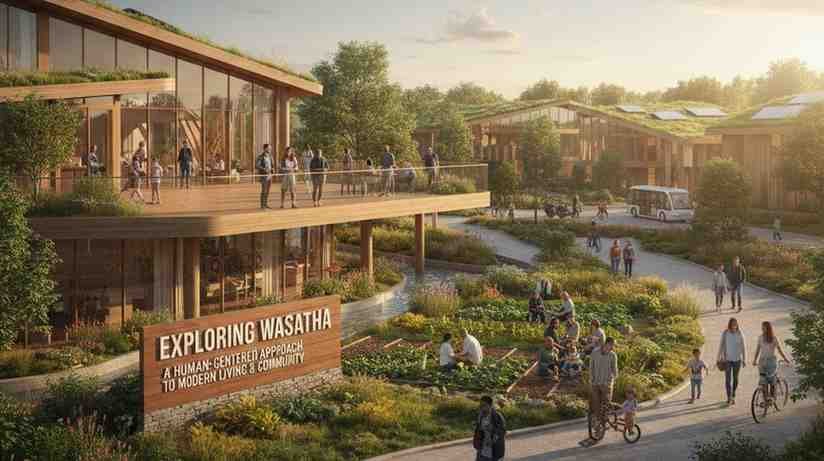
Modern life is changing fast, and people everywhere are searching for balance, connection, and purpose. In this evolving landscape, new ideas about lifestyle, housing, and community are gaining attention. This article explores one such idea and how it reflects deeper human values, sustainable thinking, and a desire for meaningful living.
Understanding the Core Idea
At its heart, wasatha represents more than a name or concept; it reflects a way of thinking about how people live together. It emphasizes harmony between individuals, their surroundings, and the broader social structure. Instead of focusing only on physical spaces, it looks at emotional well-being, shared responsibility, and long-term sustainability.
This approach resonates strongly in today’s world, where people value mindful living, eco-friendly practices, and social connection. Communities inspired by this philosophy often prioritize openness, cooperation, and respect for both people and nature.
What Makes It Different
Unlike traditional models that separate living, working, and social life, this idea blends them together. The result is a more integrated lifestyle that feels natural rather than forced.
Community and Cultural Relevance
Culture plays a major role in shaping how communities grow. The principles behind wasatha align closely with cultural traditions that value togetherness, mutual care, and shared progress. This makes it adaptable across regions and societies.
By encouraging community participation, people feel a sense of belonging. Neighbors know each other, shared spaces are respected, and collective decision-making becomes normal. These cultural elements strengthen trust and reduce social isolation, a growing concern in urban environments.
Building Social Bonds
Strong communities thrive on interaction. Events, shared facilities, and open communication help people feel connected and supported.
Sustainability and Responsible Living
One of the strongest aspects of wasatha is its focus on sustainability. Responsible use of resources, energy efficiency, and environmental awareness are not afterthoughts; they are foundational ideas.
From green building practices to waste reduction and water conservation, sustainable living supports both the planet and personal well-being. People living with these values often experience a deeper sense of purpose, knowing their choices contribute to a healthier future.
Environmental Awareness
Sustainability is not just about technology. It’s about everyday habits, conscious decisions, and respect for natural systems.
Lifestyle Benefits for Individuals
Adopting a lifestyle inspired by wasatha can bring noticeable personal benefits. Reduced stress, stronger social ties, and improved mental health are often reported by those who live in connected and mindful communities.
This way of living supports work-life balance and encourages people to slow down without losing productivity. Shared responsibilities reduce individual pressure, while collaborative environments inspire creativity and personal growth.
Well-Being and Balance
When people feel supported and connected, they are more likely to thrive emotionally and physically.
The Future of Shared Living
As cities grow and resources become limited, new living models are essential. The philosophy behind wasatha offers a practical and human-focused solution. It supports smart urban planning, inclusive design, and long-term resilience.
Future developments inspired by these ideas are likely to focus on adaptability, technology integration, and community empowerment. This ensures that growth does not come at the cost of humanity or environmental health.
FAQ
What is the main idea behind this concept?
It focuses on balanced living, community connection, and sustainability.
Is it suitable for urban areas?
Yes, it adapts well to cities through smart design and shared spaces.
Does it support eco-friendly living?
Absolutely, environmental responsibility is a core principle.
Can families benefit from this lifestyle?
Families often find stronger support systems and safer environments.
Is it a modern or traditional idea?
It blends traditional values with modern needs and technology.
Conclusion
In a world that often feels fragmented, ideas like wasatha remind us that living well is about more than convenience or status. It is about connection, responsibility, and respect for both people and the environment. By embracing these values, individuals and communities can create spaces that are not only functional but deeply fulfilling, setting a meaningful path for the future.