

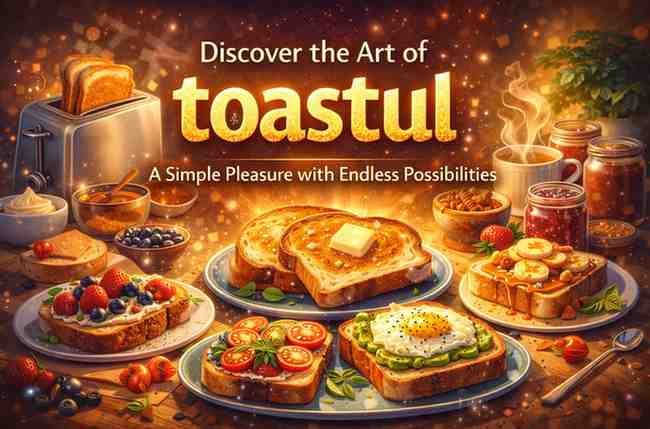
In kitchens around the world, few foods are as comforting and versatile as toast. From busy weekday breakfasts to relaxed weekend brunches, toastul has become a staple that blends simplicity with creativity. Whether topped with butter and jam or transformed into a gourmet masterpiece, it holds a special place in modern food culture. This article explores its origins, nutritional value, preparation methods, and inspiring topping ideas to help you make the most of every slice.
The Origins and Evolution of Toast
Toast has ancient roots dating back to early civilizations that discovered that heating bread extended its shelf life and enhanced flavor. The word itself comes from the Latin term “tostum,” meaning scorched or grilled. Over centuries, different cultures developed their own variations, from French tartines to Italian bruschetta.
Today, toastul reflects a contemporary twist on this timeless food. With the rise of artisanal bread, sourdough loaves, and whole-grain options, toast has evolved beyond a quick breakfast fix. Cafés now dedicate entire menus to creative toast combinations featuring avocado, smoked salmon, poached eggs, and plant-based spreads. This evolution shows how something simple can continuously adapt to changing tastes and dietary trends.
Nutritional Benefits and Healthy Choices
Toast can be both indulgent and nutritious, depending on the ingredients you choose. Whole-grain bread is rich in fiber, which supports digestion and helps maintain steady blood sugar levels. Multigrain and sourdough options also provide essential nutrients such as B vitamins, iron, and magnesium.
When preparing toastul, consider balancing carbohydrates with healthy fats and proteins. Adding toppings like mashed avocado, nut butter, Greek yogurt, or eggs enhances nutritional value and keeps you full longer. Fresh fruits, seeds, and leafy greens introduce antioxidants and vitamins that support overall wellness.
It’s also worth noting that portion control and mindful topping choices make a significant difference. Instead of sugary spreads every day, mix sweet and savory options throughout the week. This approach keeps your meals exciting while supporting a balanced diet.
Creative Ways to Prepare Toast at Home
Making great toast is more than simply placing bread in a toaster. The thickness of the slice, the type of bread, and even the heating method all influence texture and taste.
Choosing the Right Bread
The foundation of excellent toastul begins with high-quality bread. Sourdough offers a tangy flavor and chewy interior, while whole wheat provides a nutty taste and added fiber. Brioche creates a rich, slightly sweet base perfect for dessert-style toppings. For a rustic experience, try artisan country loaves with a crisp crust and airy crumb.
Mastering the Toasting Technique
To achieve the ideal golden-brown finish, adjust your toaster or oven setting according to bread thickness. Thicker slices may require a lower, longer heat to prevent burning. Some people prefer pan-toasting with a small amount of butter or olive oil, which creates a crispy exterior and rich aroma. This method enhances flavor and gives your toast a café-style touch.
Once toasted, let the bread cool slightly before adding spreads. This helps prevent sogginess and ensures toppings stay fresh and vibrant.
Popular Toppings Around the World
One of the most exciting aspects of toast is its versatility. Across cultures, people have created signature topping combinations that reflect local ingredients and culinary traditions.
In Australia and the United Kingdom, avocado toast became a brunch icon, often finished with chili flakes and lemon juice. In Spain, pan con tomate features grated tomato, olive oil, and sea salt over crusty bread. In Scandinavia, open-faced sandwiches are topped with smoked fish, herbs, and creamy sauces.
Sweet variations are equally beloved. Nutella with sliced strawberries, peanut butter with banana, or ricotta with honey and figs offer delightful contrasts of texture and flavor. When experimenting at home, think about balancing creamy, crunchy, sweet, and savory elements for a satisfying bite.
Why Toast Remains a Modern Favorite
Despite evolving food trends, toast continues to thrive because of its accessibility and adaptability. It requires minimal preparation time, making it ideal for busy lifestyles. At the same time, it provides endless room for culinary creativity.
Social media has also played a role in popularizing visually appealing toast creations. Vibrant fruit arrangements, edible flowers, and artistic drizzles of sauce turn simple slices into photogenic meals. Yet beyond aesthetics, the real appeal lies in the comforting crunch and warm aroma that evoke a sense of home.
Preparing toastul can even become a mindful ritual. Selecting ingredients, carefully layering toppings, and savoring each bite transforms an everyday meal into a small moment of joy. In a fast-paced world, these simple pleasures matter more than ever.
Frequently Asked Questions
What type of bread is best for toast?
Whole-grain, sourdough, and multigrain breads are excellent choices because they offer flavor, texture, and nutritional benefits.
Is toast healthy for weight management?
Yes, when paired with protein and healthy fats, toast can be part of a balanced diet that supports weight control.
Can I make toast without a toaster?
Absolutely. You can use an oven, stovetop pan, or even a grill to achieve a crisp, golden finish.
What are some quick savory topping ideas?
Try mashed avocado with salt and pepper, scrambled eggs with herbs, or hummus with roasted vegetables.
How can I prevent my toast from becoming soggy?
Allow the bread to cool slightly after toasting and avoid overly wet toppings unless serving immediately.
Conclusion
From ancient kitchens to trendy cafés, toast has stood the test of time as a comforting and adaptable dish. With thoughtful ingredient choices and creative toppings, it can be as simple or sophisticated as you desire. Whether enjoyed as a quick breakfast, a light lunch, or a satisfying snack, toastul proves that even the most basic foods can inspire endless possibilities. By experimenting with flavors, textures, and techniques, you can transform every slice into a delicious experience worth savoring.