

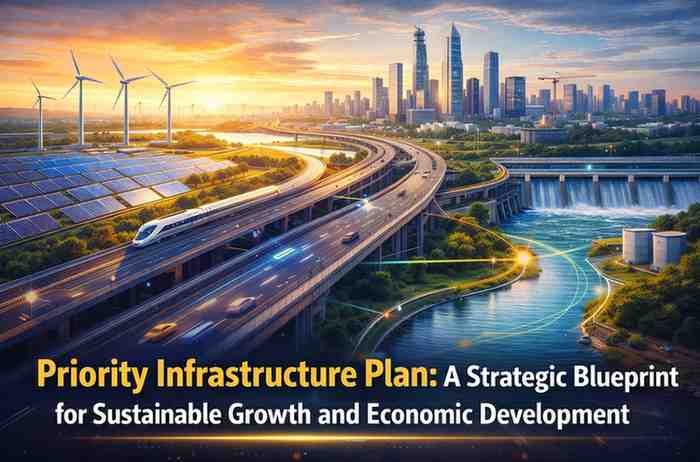
Infrastructure is the backbone of any thriving economy. Roads, bridges, energy systems, digital networks, and public facilities all play a crucial role in shaping long-term national progress. A well-structured priority infrastructure plan ensures that critical projects receive timely investment, strategic direction, and measurable outcomes. In an era of rapid urbanization, climate change concerns, and technological transformation, governments and policymakers must focus on sustainable infrastructure development that balances economic growth with environmental responsibility.
This article explores the importance, structure, and long-term benefits of implementing a clear and effective priority infrastructure plan, while highlighting its impact on communities and businesses alike.
Understanding the Core Purpose of Infrastructure Planning
A successful priority infrastructure plan is more than a list of construction projects. It is a strategic roadmap that identifies essential sectors requiring immediate attention. These sectors often include transportation networks, renewable energy systems, water supply management, telecommunications, and public transportation.
The primary goal is to allocate resources efficiently while maximizing economic return and social benefit. Infrastructure planning supports job creation, increases productivity, and strengthens national competitiveness. By focusing on high-impact projects, governments can address bottlenecks that limit economic expansion.
Long-term planning also improves resilience. Climate-adaptive infrastructure, smart cities, and sustainable energy solutions are increasingly integrated into modern frameworks. Decision-makers use data analytics, feasibility studies, and economic forecasting to prioritize projects that will deliver measurable value over time.
Economic Growth and Investment Opportunities
Infrastructure investment has a direct multiplier effect on economic performance. Construction projects generate employment, stimulate supply chains, and boost local businesses. Beyond immediate job creation, improved infrastructure enhances trade efficiency and attracts foreign direct investment.
The Role of Public-Private Partnerships
Public-private partnerships (PPPs) are often central to financing large-scale projects. By sharing risk and capital responsibilities, governments can accelerate development while maintaining fiscal stability. PPP models encourage innovation, cost efficiency, and accountability.
When investors see a transparent and clearly defined strategy, confidence increases. A structured development pipeline signals stability and long-term vision. This is particularly important for emerging markets seeking global investment.
Infrastructure bonds, development banks, and green financing mechanisms also support sustainable growth. By aligning economic goals with environmental priorities, countries can promote inclusive development while meeting climate commitments.
Key Components of an Effective Strategy
Designing a strong infrastructure strategy requires coordination across multiple sectors. Planners must evaluate population growth trends, technological advancements, and regional disparities before allocating budgets.
Transportation and Connectivity
Efficient transportation systems reduce congestion, lower logistics costs, and improve mobility. Highways, rail networks, airports, and seaports form the backbone of economic activity. Digital infrastructure, including broadband connectivity and 5G networks, is equally essential in today’s knowledge-based economy.
Energy and Sustainability
Energy security remains a critical pillar of national development. Investing in renewable energy, smart grids, and energy-efficient buildings reduces carbon emissions while supporting sustainable urban growth. Climate-resilient infrastructure protects communities from natural disasters and environmental risks.
Water management systems, waste treatment facilities, and flood control measures also strengthen long-term resilience. By integrating environmental impact assessments into planning processes, policymakers ensure that growth does not come at the expense of ecological balance.
Challenges in Implementation and Risk Management
While the benefits are clear, executing large-scale infrastructure initiatives presents challenges. Budget overruns, regulatory delays, land acquisition issues, and political transitions can slow progress.
Transparent governance and accountability mechanisms are crucial. Clear procurement processes, performance monitoring systems, and stakeholder engagement reduce risks. Digital project management tools help track milestones and control costs.
Risk assessment plays a major role in successful implementation. Economic fluctuations, supply chain disruptions, and technological changes can affect project timelines. By conducting regular evaluations, authorities can adapt strategies proactively.
Community involvement is equally important. Public consultations ensure that development aligns with local needs. Inclusive planning reduces resistance and fosters trust between governments and citizens.
Long-Term Benefits for Society and Future Generations
Infrastructure investments shape societies for decades. Quality roads and reliable utilities improve living standards, while digital connectivity enhances access to education and healthcare. Modern infrastructure strengthens disaster preparedness and supports economic resilience.
Strategic planning also reduces inequality. Rural development projects connect underserved communities to markets and essential services. Smart urban planning addresses housing shortages and transportation challenges in growing cities.
Over time, consistent investment builds a foundation for innovation. Technology hubs, industrial zones, and research centers thrive when supported by reliable infrastructure networks. By maintaining a forward-looking vision, policymakers create opportunities for future generations.
A well-executed priority infrastructure plan not only drives short-term economic activity but also fosters sustainable prosperity and environmental stewardship.
FAQ Section
What is a priority infrastructure plan?
It is a strategic framework that identifies and funds high-impact infrastructure projects essential for economic growth and social development.
Why is infrastructure planning important?
It improves productivity, attracts investment, creates jobs, and enhances quality of life.
How are infrastructure projects financed?
Through government budgets, public-private partnerships, infrastructure bonds, and international development funding.
What sectors are typically prioritized?
Transportation, energy, digital connectivity, water management, and sustainable urban development.
How does infrastructure support sustainability?
By integrating renewable energy, climate resilience, and environmentally responsible construction practices.
Conclusion
Infrastructure development remains one of the most powerful drivers of national progress. Strategic planning ensures that limited resources generate maximum impact while promoting long-term stability. By combining economic foresight, environmental responsibility, and inclusive governance, nations can unlock transformative growth.
A carefully designed and consistently implemented priority infrastructure plan lays the groundwork for innovation, competitiveness, and improved living standards. In a rapidly changing world, thoughtful infrastructure investment is not just beneficial—it is essential for building a resilient and prosperous future.