

In today’s fast-paced world, identity documents play a crucial role in accessing public services, traveling, banking, and even starting a new job. But what happens when your official ID is lost, stolen, expired, or still under processing? This is where a temporary identity certificate becomes incredibly important. It serves as a short-term proof of identity, ensuring that your daily life isn’t disrupted while waiting for your permanent documentation.
Whether you are dealing with a lost national ID card, applying for citizenship, or renewing your passport, understanding how this document works can save you time, stress, and confusion. Let’s explore everything you need to know.
What Is a Temporary Identity Certificate?
A temporary identity certificate is an official document issued by a government authority that verifies your identity for a limited period. It acts as a provisional identification document until your permanent ID card, passport, or residency permit is issued or replaced.
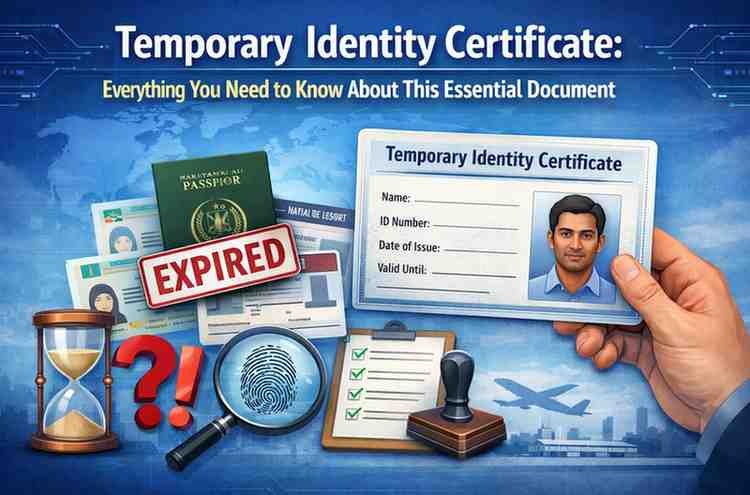
This document typically includes:
- Full legal name
- Date of birth
- Photograph
- Unique identification number
- Issue and expiration date
- Official seal or signature
It is especially useful in cases of lost identification, administrative delays, or emergency situations. While it does not permanently replace your national ID, it provides legal recognition for essential services during the interim period.
When Do You Need One?
There are several situations where this document becomes necessary. Governments issue it to prevent disruption in citizens’ access to rights and services.
Common scenarios include:
- Lost or stolen identity card
- Expired ID awaiting renewal
- First-time ID application processing
- Change of personal details (name, marital status)
- Refugee or asylum-seeker documentation
- Emergency travel circumstances
For example, if your national ID card is stolen, you may be unable to open a bank account, verify employment eligibility, or access healthcare. In such cases, authorities may provide a temporary solution to bridge the gap.
How to Apply for a Temporary Identity Certificate
The application process may vary by country, but the general steps are similar worldwide. Understanding the process ahead of time helps you prepare the necessary documentation and avoid delays.
Required Documents
Most authorities request:
- Police report (if ID was stolen)
- Copy of previous ID (if available)
- Birth certificate or proof of citizenship
- Passport-sized photographs
- Application form
- Processing fee receipt
Once submitted, officials verify your information before issuing the document. In some countries, it may be provided the same day, while in others it could take several working days.
Processing times are typically shorter than permanent IDs because the document is intended for temporary use. However, validity periods vary — often ranging from 30 days to six months.
Rights and Limitations of the Certificate
While extremely helpful, this document does come with limitations. It is important to understand what it can and cannot be used for.
What You Can Do With It
A temporary certificate usually allows you to:
- Prove identity to employers
- Access public services
- Collect registered mail
- Verify identity for administrative procedures
- Sit for exams or official appointments
Restrictions You Should Know
However, certain restrictions may apply:
- Limited international travel acceptance
- May not be valid for certain financial transactions
- Short expiration period
- Not always accepted as primary photo ID abroad
Although helpful, it does not always carry the same legal weight as a passport or permanent national identity card. Always check with relevant institutions before relying on it for critical transactions.
Benefits of Having a Temporary Identity Certificate
A temporary identity certificate offers peace of mind during uncertain situations. Losing identification can feel overwhelming, but this document ensures continuity.
Key advantages include:
- Prevents service interruption
- Protects legal identity status
- Supports employment verification
- Facilitates government assistance access
- Provides proof during document replacement process
For many people, especially those in vulnerable situations, this document can mean the difference between stability and hardship. It helps maintain access to essential systems like healthcare, banking, and social services.
Moreover, it strengthens identity security by ensuring there is always an official record linked to your personal data while permanent documentation is being processed.
Common Mistakes to Avoid During Application
Applying for official documentation requires accuracy. Even small mistakes can cause delays.
Here are common errors applicants make:
- Submitting incomplete forms
- Providing incorrect personal information
- Forgetting supporting documents
- Missing appointment schedules
- Ignoring expiration deadlines
Always double-check your application before submission. If possible, schedule an appointment in advance and ask about specific requirements in your jurisdiction.
Being proactive can significantly reduce stress during the waiting period.
Frequently Asked Questions
How long is a temporary identity certificate valid?
A temporary identity certificate is usually valid for 30 days to six months, depending on national regulations. The expiration date is clearly stated on the document.
Can I travel internationally with it?
In most cases, it is not accepted as a standalone travel document. Some countries may allow limited cross-border travel, but you should confirm with immigration authorities.
Is it the same as a passport?
No, it is not a passport. It only serves as temporary proof of identity and does not grant full travel privileges.
What happens if it expires before I receive my permanent ID?
You may need to request an extension or reapply, depending on your country’s policies.
Is there a fee for obtaining one?
Yes, many governments charge a small administrative fee, though it is often lower than the cost of a permanent ID replacement.
Conclusion
Identity documentation is the backbone of modern civic life. When your official ID is unavailable due to loss, renewal, or administrative delay, having a reliable temporary solution is essential. A temporary identification document ensures that your legal identity remains recognized and protected during transitional periods.
Understanding how it works, when to apply, and its limitations empowers you to navigate bureaucratic systems confidently. While it is not a permanent substitute, it plays a vital role in maintaining access to services, employment, and government benefits.
If you ever find yourself without your primary identification, knowing your options — and acting quickly — can make all the difference.