

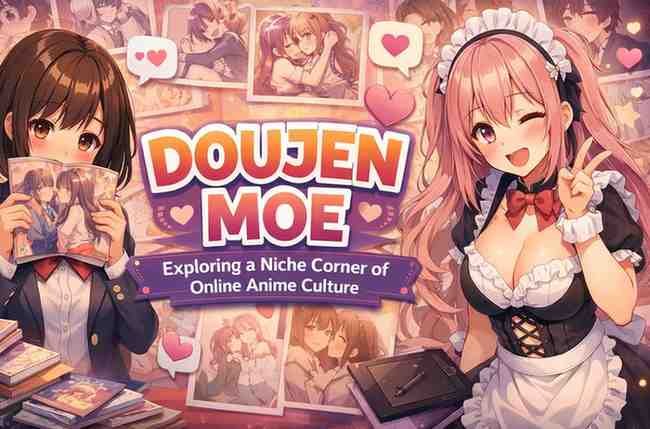
The world of anime and manga fandom is vast, layered, and constantly evolving. Within it are smaller niches that capture very specific aesthetics and interests, often driven by passionate online communities. One such niche has been gaining quiet attention for its distinctive tone, visuals, and cultural appeal. This article takes a thoughtful look at what this niche represents, why people search for it, and how it fits into the broader digital fandom landscape.
Understanding the Cultural Context
At its core, this niche is closely tied to Japanese pop culture, particularly fan-created works inspired by anime and manga. These works are often shared online and appreciated for their creativity, emotional tone, and stylized art.
H3: Roots in Fan-Made Creativity
Fan-made content has always been a backbone of anime culture. Independent artists and writers create alternative storylines, character interpretations, or entirely new worlds. This environment allows experimentation and personal expression outside mainstream publishing.
H3: The Appeal of “Moe” Aesthetics
The term “moe” generally refers to feelings of affection toward characters that appear cute, innocent, or emotionally engaging. This aesthetic plays a major role in why many fans are drawn to this niche, as it emphasizes warmth, charm, and character-driven storytelling.
Why Fans Are Searching for It Online
Search behavior often reflects curiosity rather than commitment. Many users stumble across niche terms through social media, forums, or recommendations and want to understand what they mean.
People searching for doujen moe are often anime enthusiasts who enjoy exploring lesser-known fandom spaces. Others may be artists looking for inspiration, or readers trying to understand references they encountered on discussion boards or image-sharing platforms.
Online searches are also driven by the desire for community. Fans want to know where conversations are happening, what content exists, and how others interpret the niche.
Community, Forums, and Digital Spaces
The internet has made it easier than ever for niche interests to thrive. Small communities can grow globally, connected by shared tastes rather than geography.
H3: Discussion Boards and Social Platforms
Reddit-style forums, Discord servers, and comment sections on content platforms often host discussions around fan works, art styles, and character tropes. These spaces allow fans to exchange opinions, recommendations, and creative feedback.
H3: Artist and Creator Circles
Many creators use niche labels to help their work reach the right audience. By tagging or describing their content carefully, they connect with fans who appreciate specific themes, visual styles, or emotional tones.
Responsible Browsing and Content Awareness
As with many fan-driven niches, content quality and appropriateness can vary widely. It is important for users to browse responsibly and understand what they are engaging with.
Some material may be purely artistic and wholesome, while other content may not suit all audiences. Using trusted platforms, reading descriptions carefully, and respecting personal boundaries are essential practices.
For newcomers, understanding what doujen moe represents helps set expectations and avoid confusion. Awareness leads to better experiences and more meaningful engagement with the community.
Its Place in Modern Anime Fandom
Anime fandom today is no longer a single, unified culture. It is a network of overlapping micro-communities, each with its own language, norms, and creative output.
This niche exists alongside cosplay culture, fan fiction circles, digital illustration trends, and anime analysis communities. Its continued relevance depends on the passion of its fans and the creativity of its contributors.
As anime continues to grow globally, niche terms and subcultures will keep emerging, reflecting the diversity of fan interests and artistic voices.
FAQ
What does this term generally relate to?
It usually relates to fan-created anime or manga-inspired content with a strong emphasis on cute or emotionally appealing characters.
Is it part of mainstream anime culture?
No, it is more of a niche interest within the larger anime and manga fandom.
Why do people search for it?
Most users are curious, researching references, or exploring new fandom spaces.
Is all content the same?
No, content varies widely depending on the creator and platform.
Conclusion
Niche fandom terms can seem confusing at first, but they often represent genuine creativity and shared passion. By understanding the cultural roots, community spaces, and browsing considerations, fans can engage more thoughtfully. Whether you are researching doujen moe out of curiosity or creative interest, approaching it with context and awareness makes the experience richer and more enjoyable.